add hands-on and immersive elements
to your escape room experience
Assembly
Jigsaw Puzzle
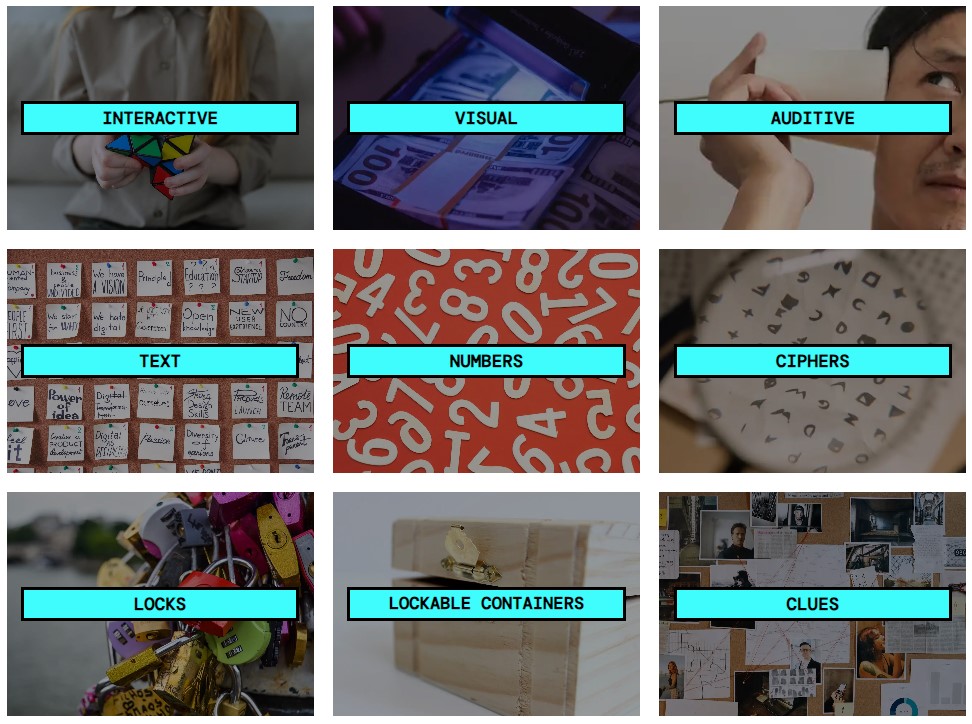
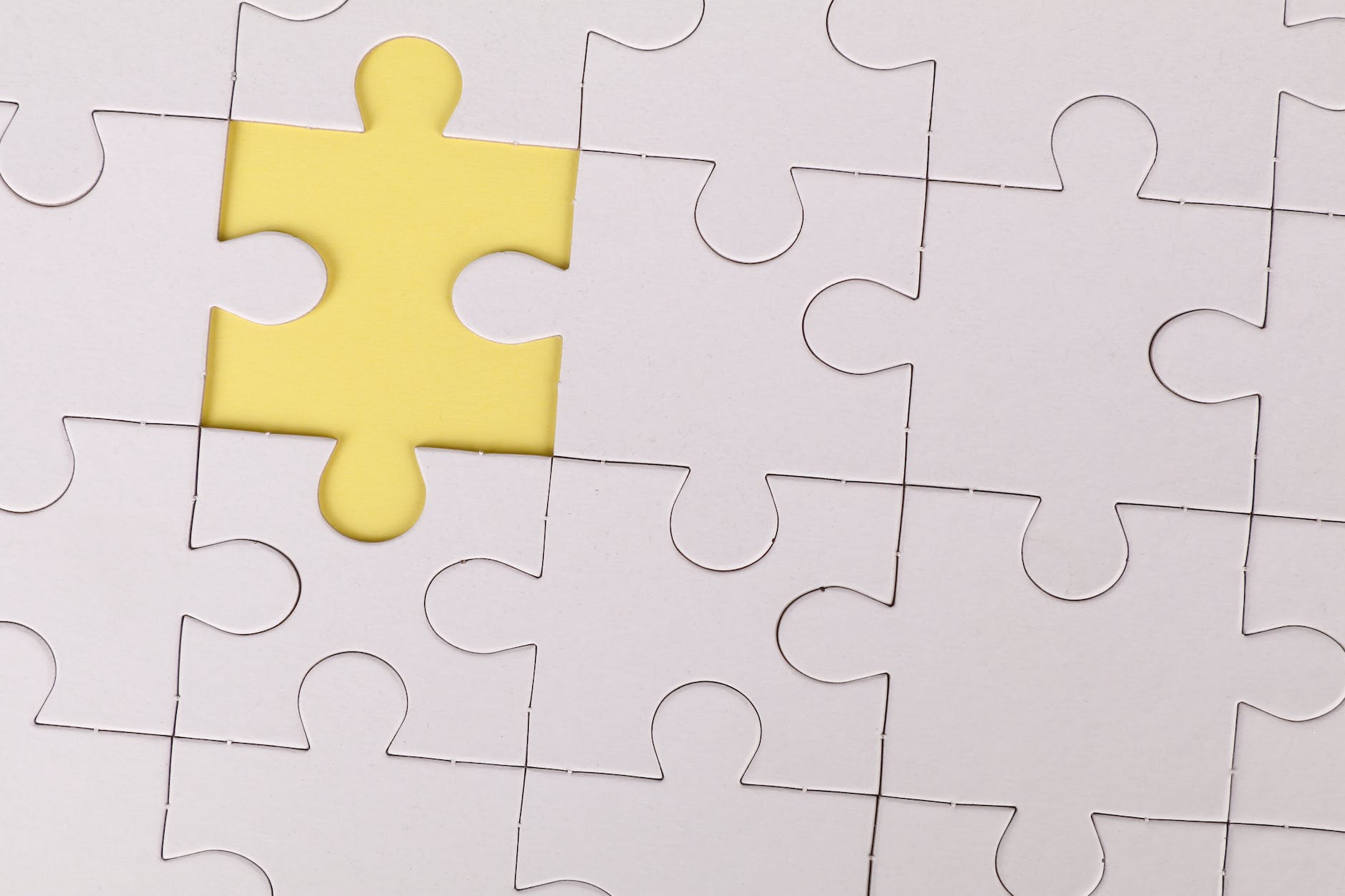
Players need to assemble jigsaw pieces to reveal a picture or code.
Free Online Jigsaw Puzzle Maker↗︎
Create custom jigsaw puzzles and download them.
💡Tip:
You can also hide a code on the backside of a plain old picture puzzle.
💡Tip:
Provide the puzzle pieces sequentially instead of all at once (for example by hiding them or locking them away). This way, players gradually uncover different components of a larger clue.
💡Tip:
Ensure that the puzzle pieces are sturdy and capable of withstanding the wear and tear of numerous escape room participants.
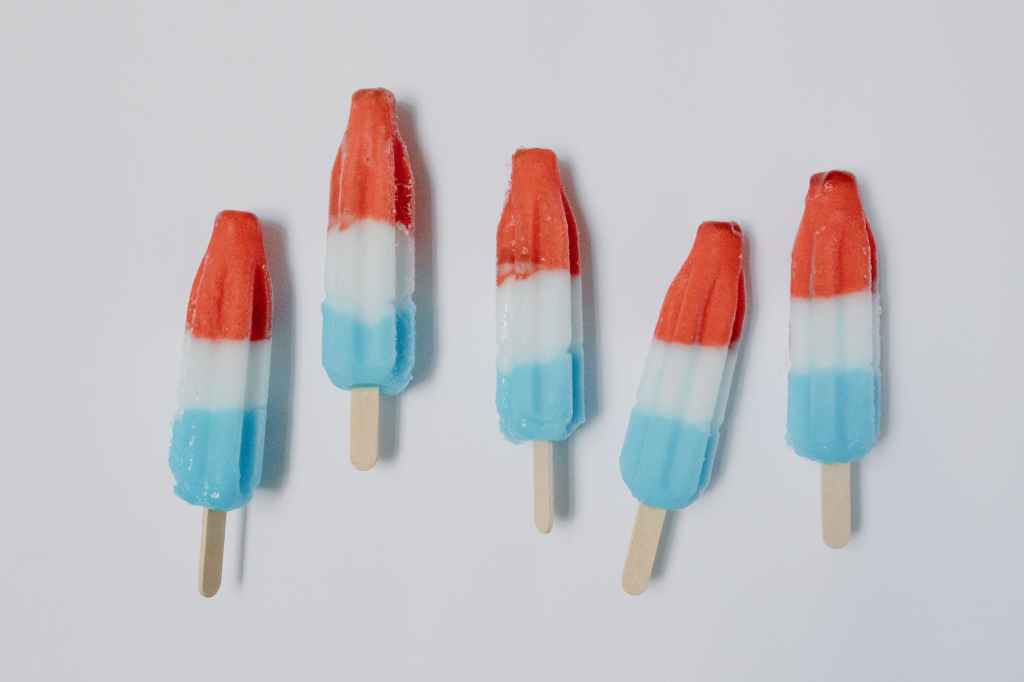
Popsicle Stick Puzzle
Glue or paint a picture on popsicle sticks and write the code or password at the bottom of the sticks (or on the back).
When the picture is assembled correctly, the solution will show.
💡Tip:
You can use the popsicle sticks to make actual popsicles. The players have to eat the popsicles in order to get the code. Make sure to use waterproof marker!
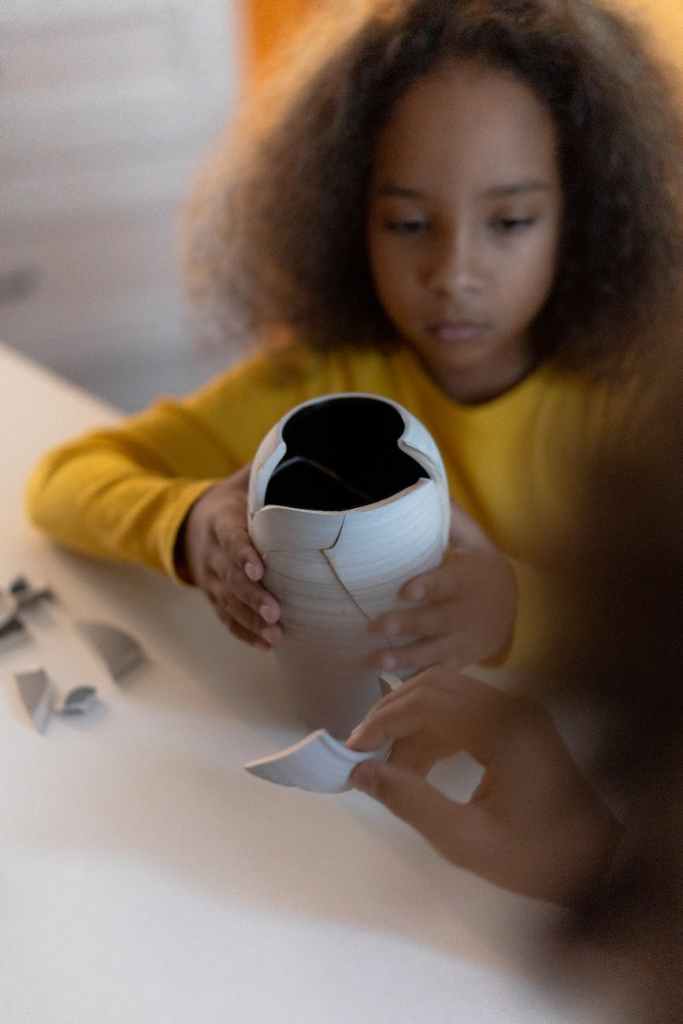
(Broken) Objects
Players have to assemble puzzle objects or broken objects to create a functional item or to reveal a code.
💡Tip:
Make sure, that there is only one possible way to assemble the object to avoid confusion.
💡Tip:
Don’t take an object that is too hard to assemble. Otherways players might become frustrated.
💡Tip:
Provide the puzzle pieces sequentially instead of all at once (for example by hiding them or locking them away). This way, players gradually uncover different components of a larger clue.
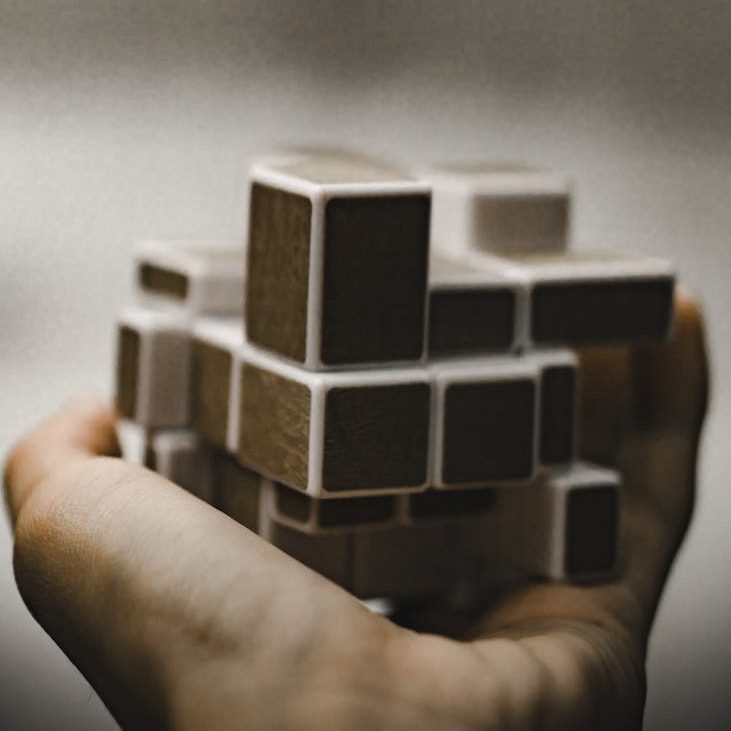
Folded clue objects
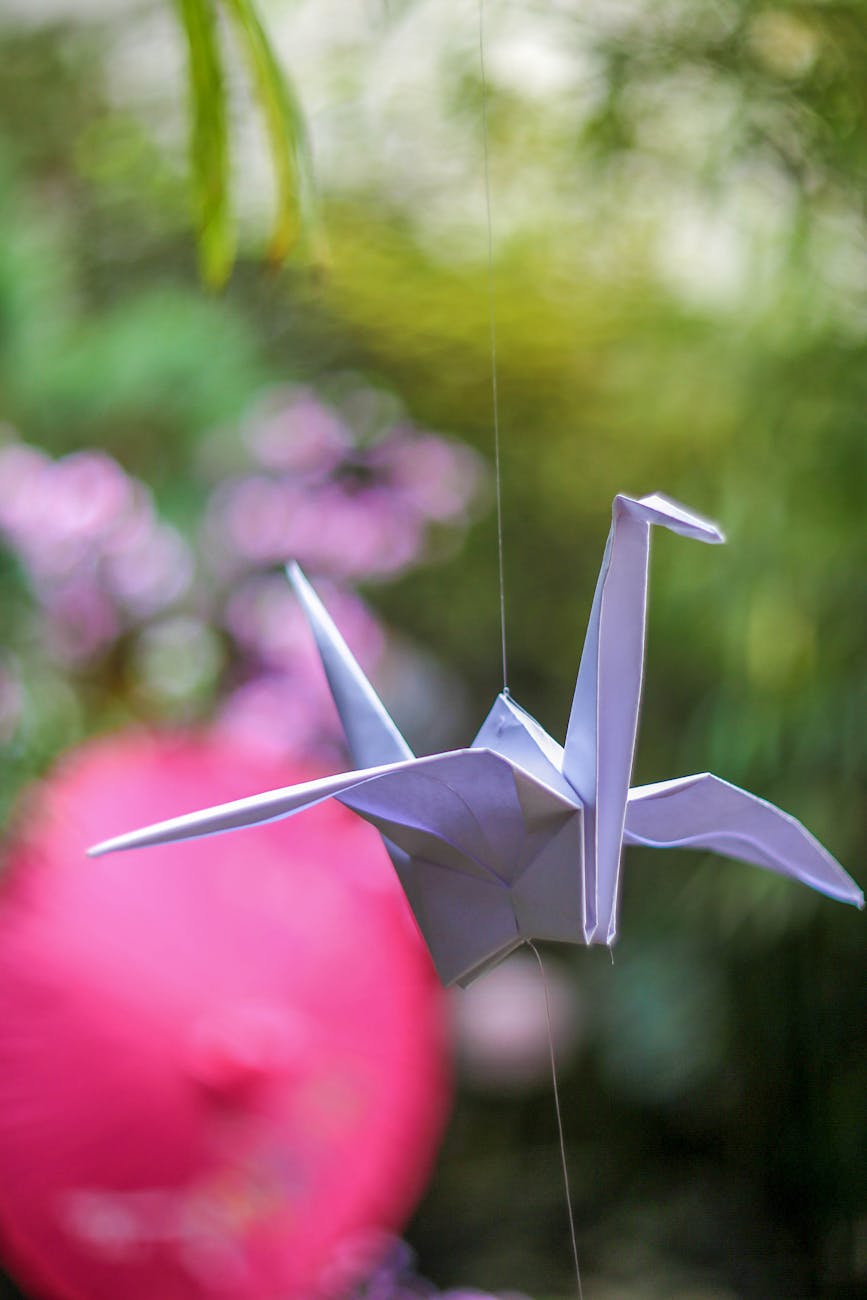
A piece of paper contains seemingly meaningless text. Instructions must be followed to fold the paper correctly so that the fragments align and reveal a readable message or code.
Touch
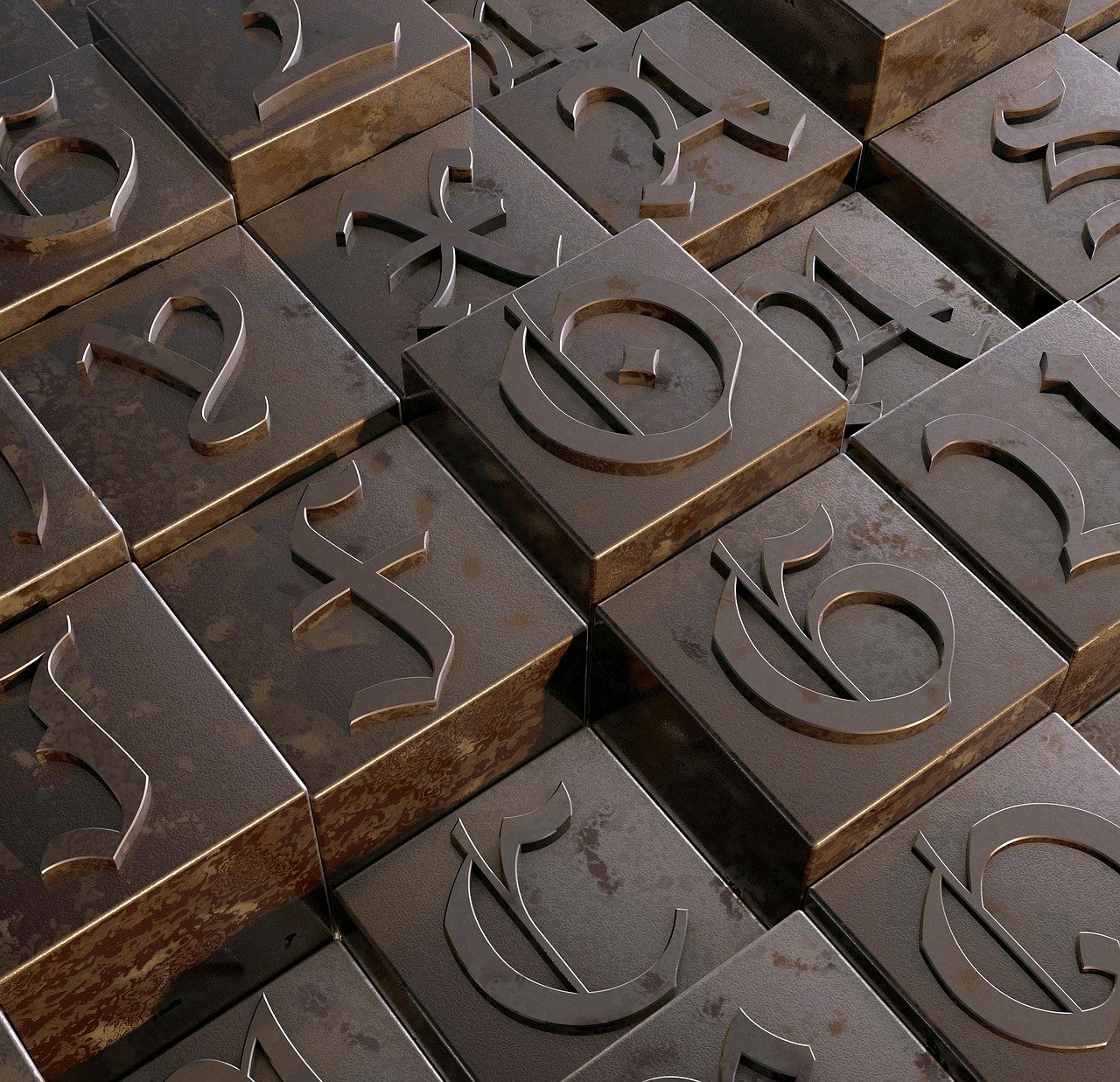
Wooden letters
can be glued onto a surface that is hidden from view but reachable by hand, for example under a shelf, behind a ledge, or inside a narrow opening. Players must locate the letters by touch alone, reading the shapes with their fingers rather than relying on sight. This creates a simple tactile clue that encourages careful exploration and adds a sensory layer to the puzzle without requiring complex construction.
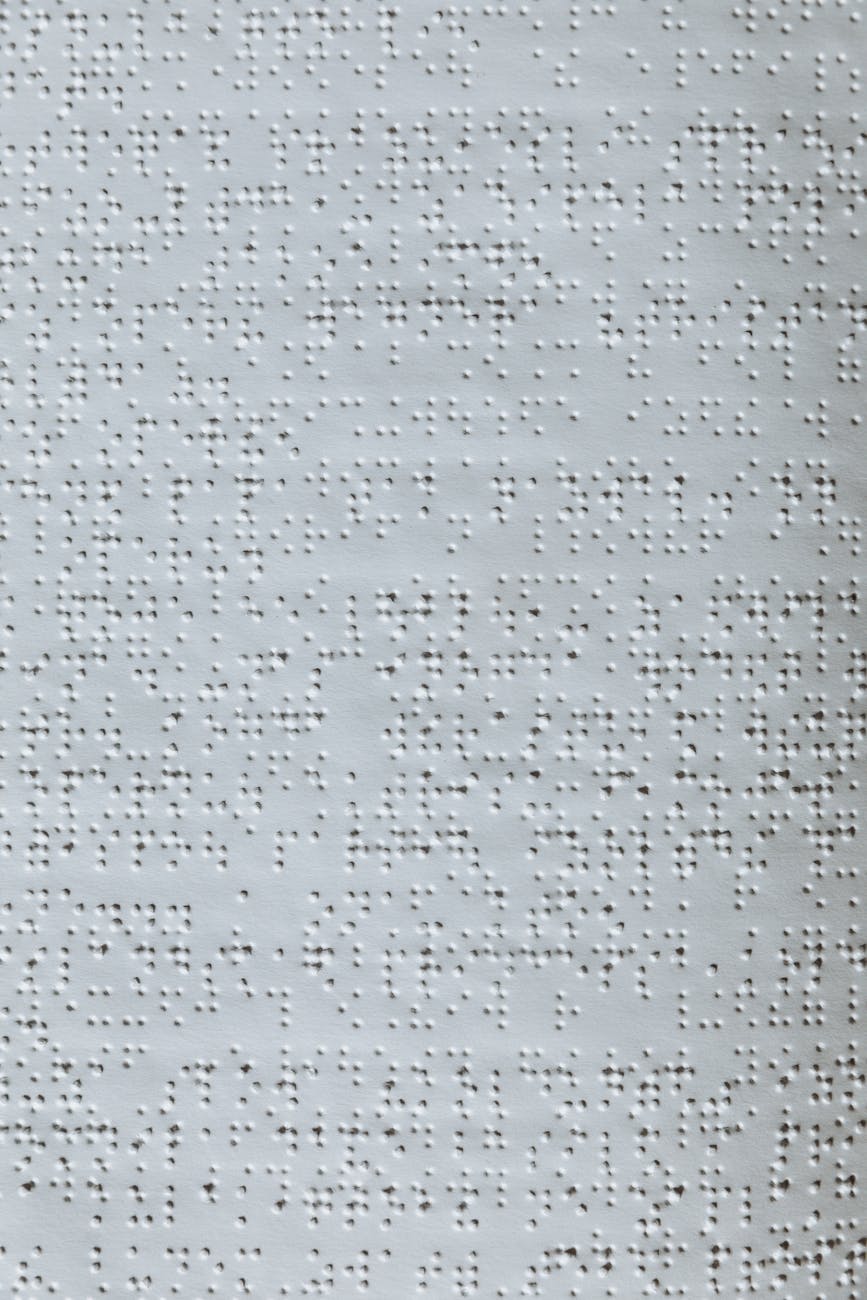
Braille
characters can be applied to a hidden but reachable surface, such as the underside of furniture or inside a recessed area. Elsewhere in the room, a clearly identifiable translation key or reference chart allows players to convert the tactile dots into letters or numbers. This combines tactile exploration with logical decoding and makes the clue accessible even to players without prior knowledge of Braille.
💡Tip:
Use oversized Braille dots. Larger dots are easier to read by touch and reduce frustration.
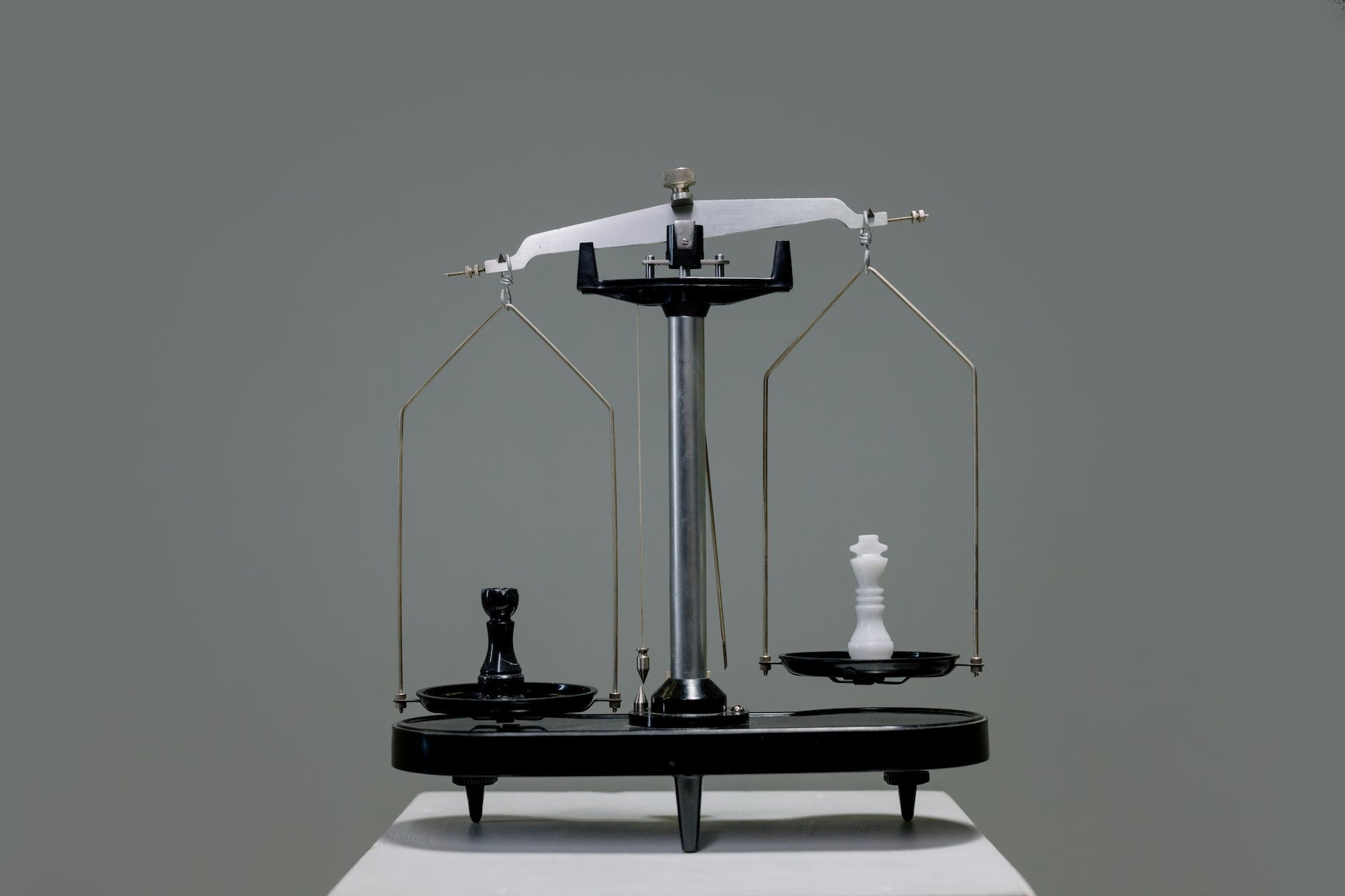
Weight and Balance
Weighing puzzle
Players need to weigh differently colored cubes in order to find out the weight of each color. The numbers can be used to unlock a number combination lock.
Magnetism
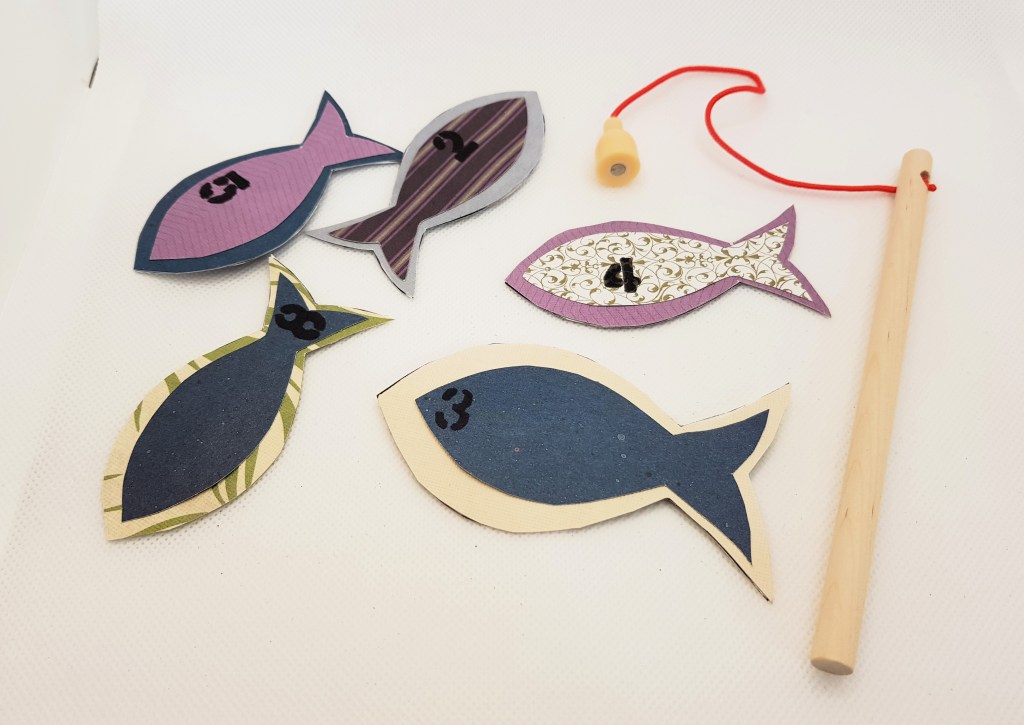
Fishing Game
Metallic fish must be caught with a magnetic rod. The numbers, symbols or letters on the fish provide a code.
Electronics
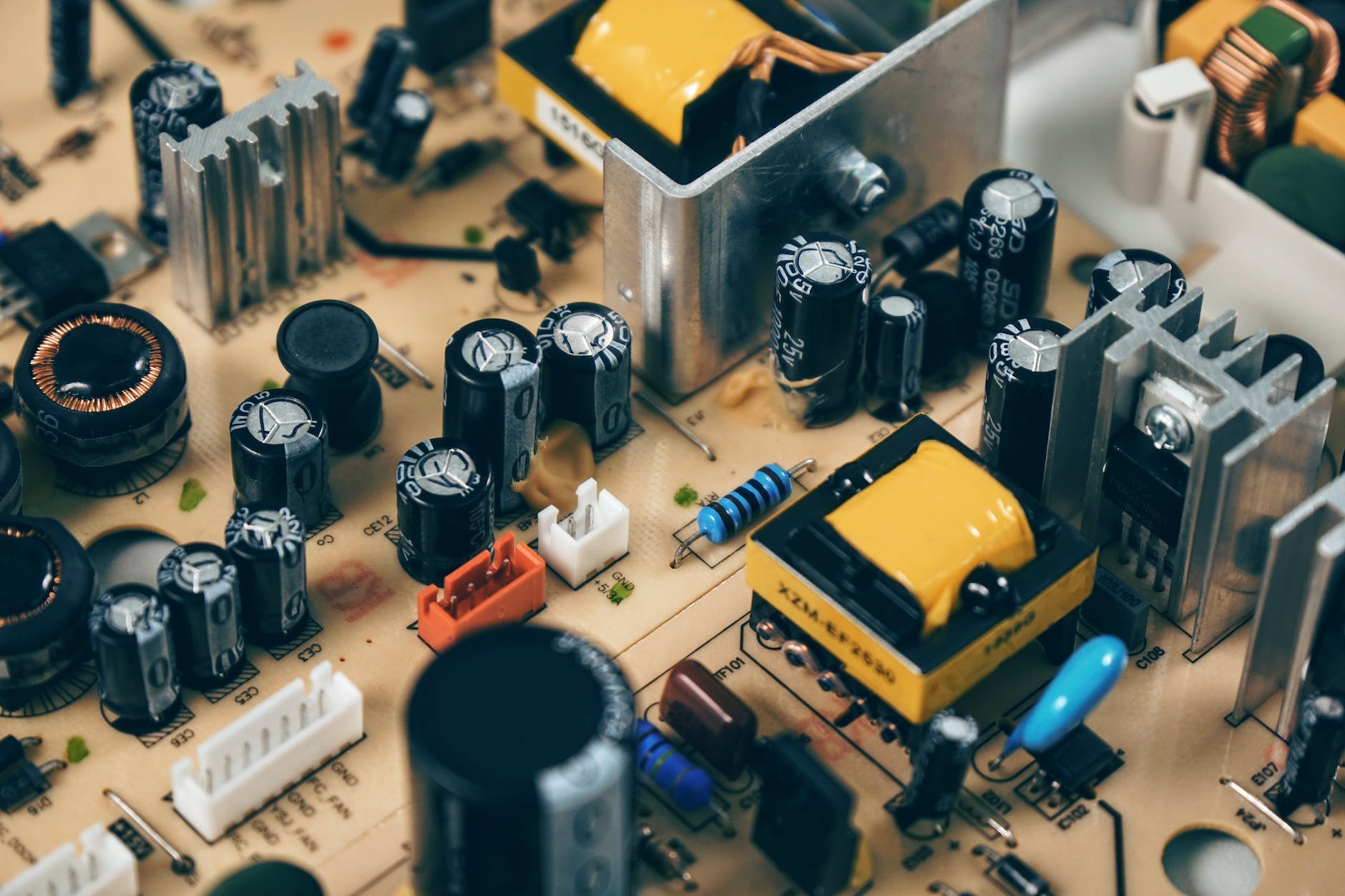
Electronics-based puzzles in escape rooms can add an exciting and immersive dimension to the overall experience. These puzzles often require participants to interact with various electronic devices, sensors, and circuits.
Hidden Objects
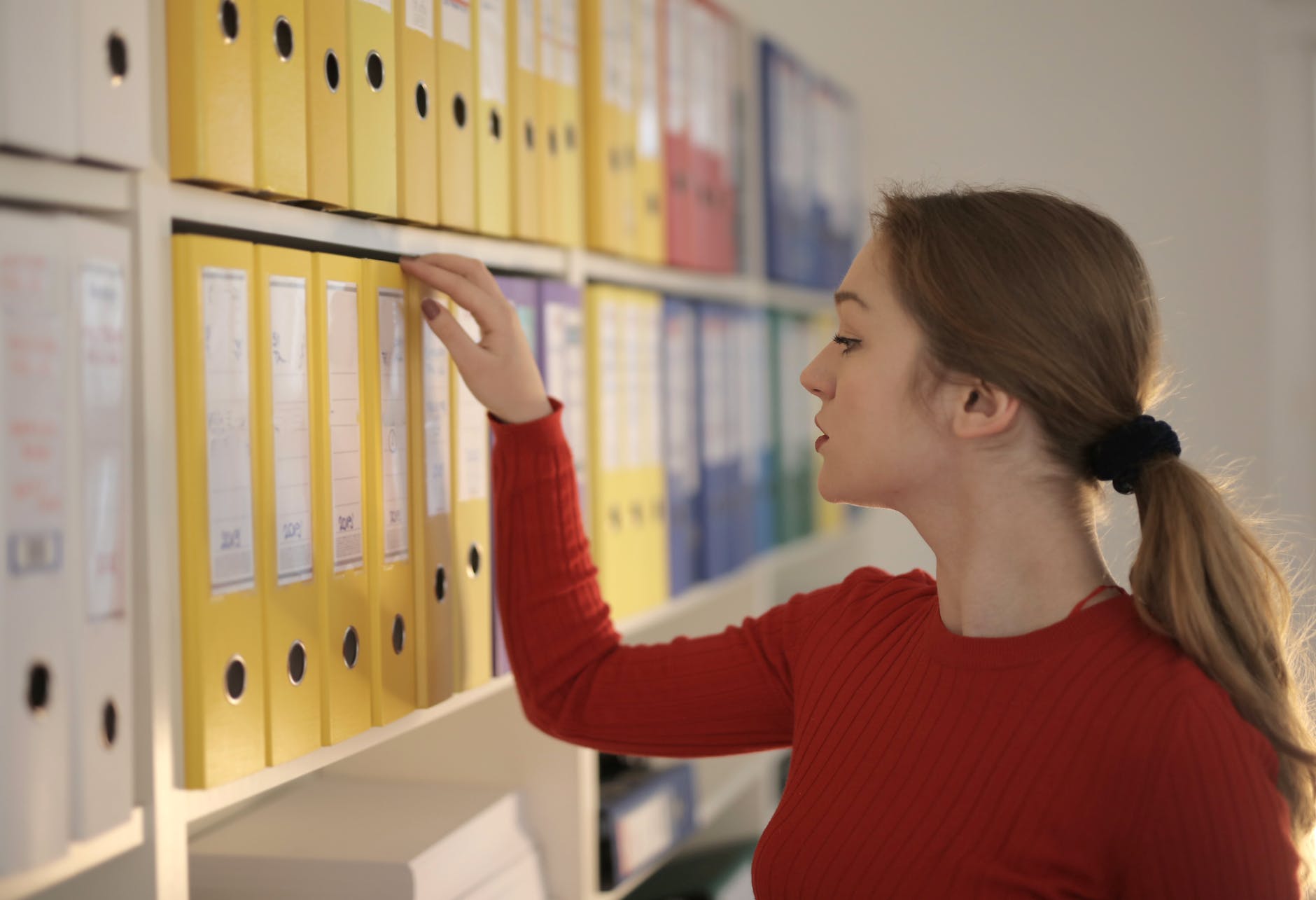
Players must carefully search the room to find hidden clues, keys, or objects.
Smell
Smelling Puzzle
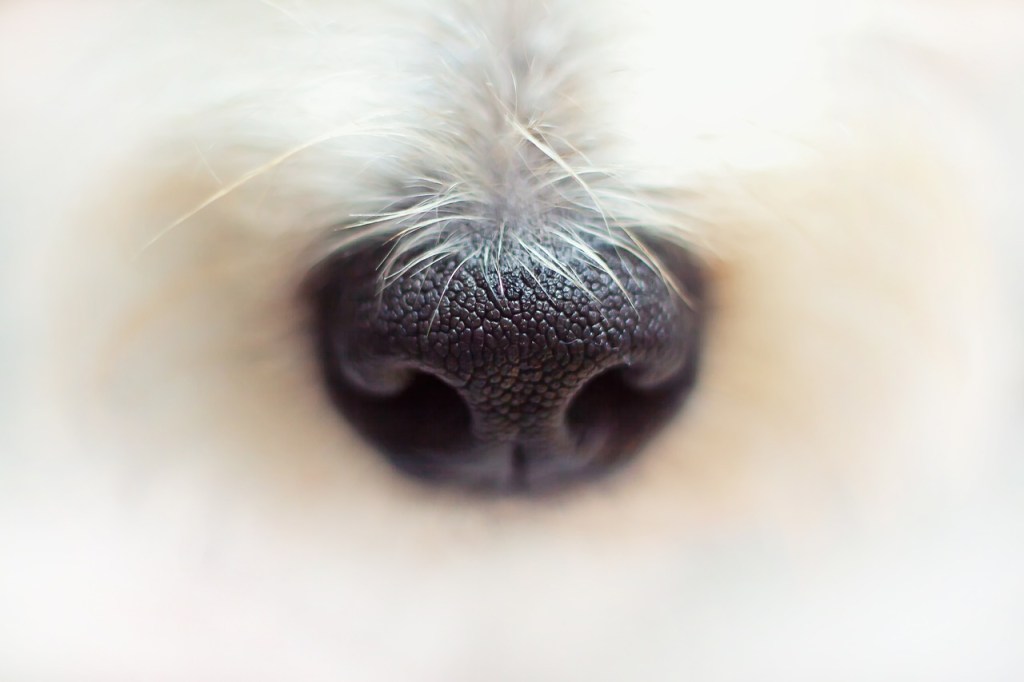
In this sensory-based puzzle, players must identify different smells in order to obtain a code.
 learning Locks