create props which are tailored to the theme and narrative of your escape room
Hidden in plain sight
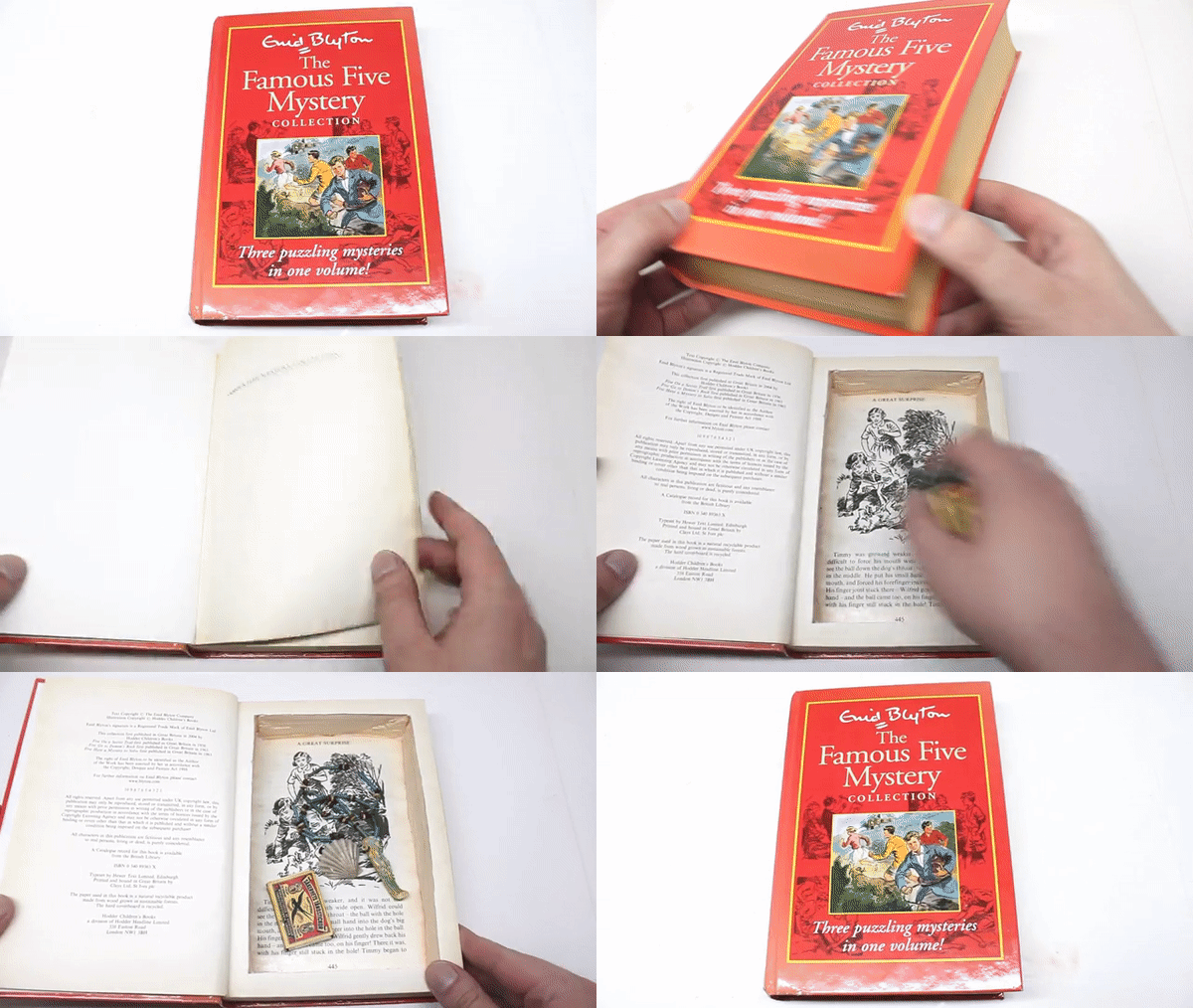
Hollow book
In an escape room, a hollow book can serve as a clever and inconspicuous hiding spot for various items, such as keys, messages, or clues. Participants may not immediately consider checking a bookshelf for hidden objects, making it an effective strategy for concealing essential elements of the game.
Learn how to make a hollow book in this wikiHow-guide↗︎
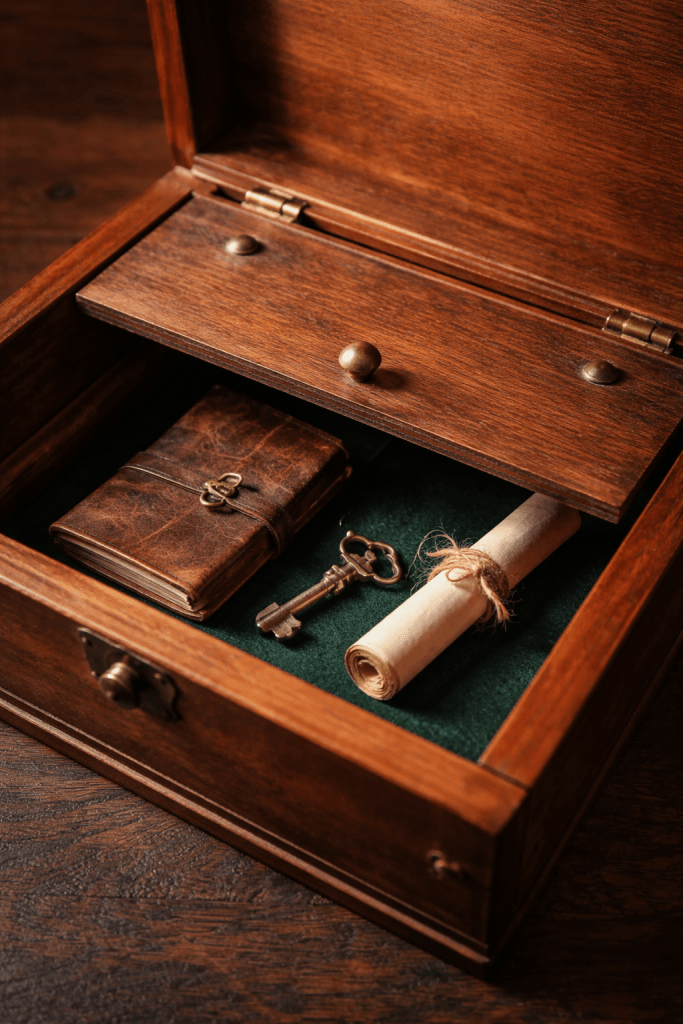
Hidden compartments
are concealed spaces built into furniture or props to store clues or small items. They are not immediately visible and are typically discovered through careful observation, touch, or logical reasoning.
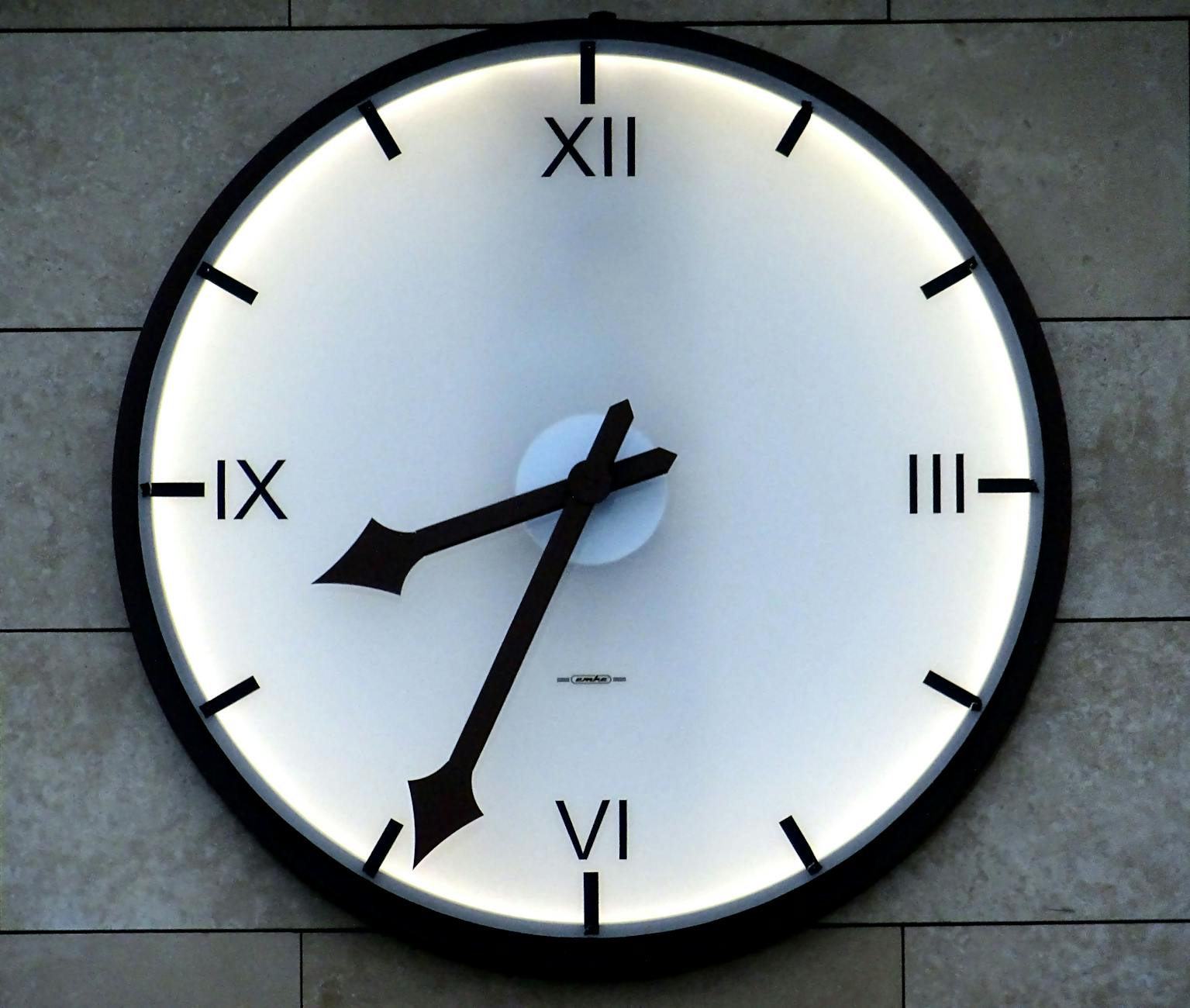
Clocks
Rather than indicating the actual time, the position of the hands serves as information that must be interpreted by the players.
Environmental & Spatial
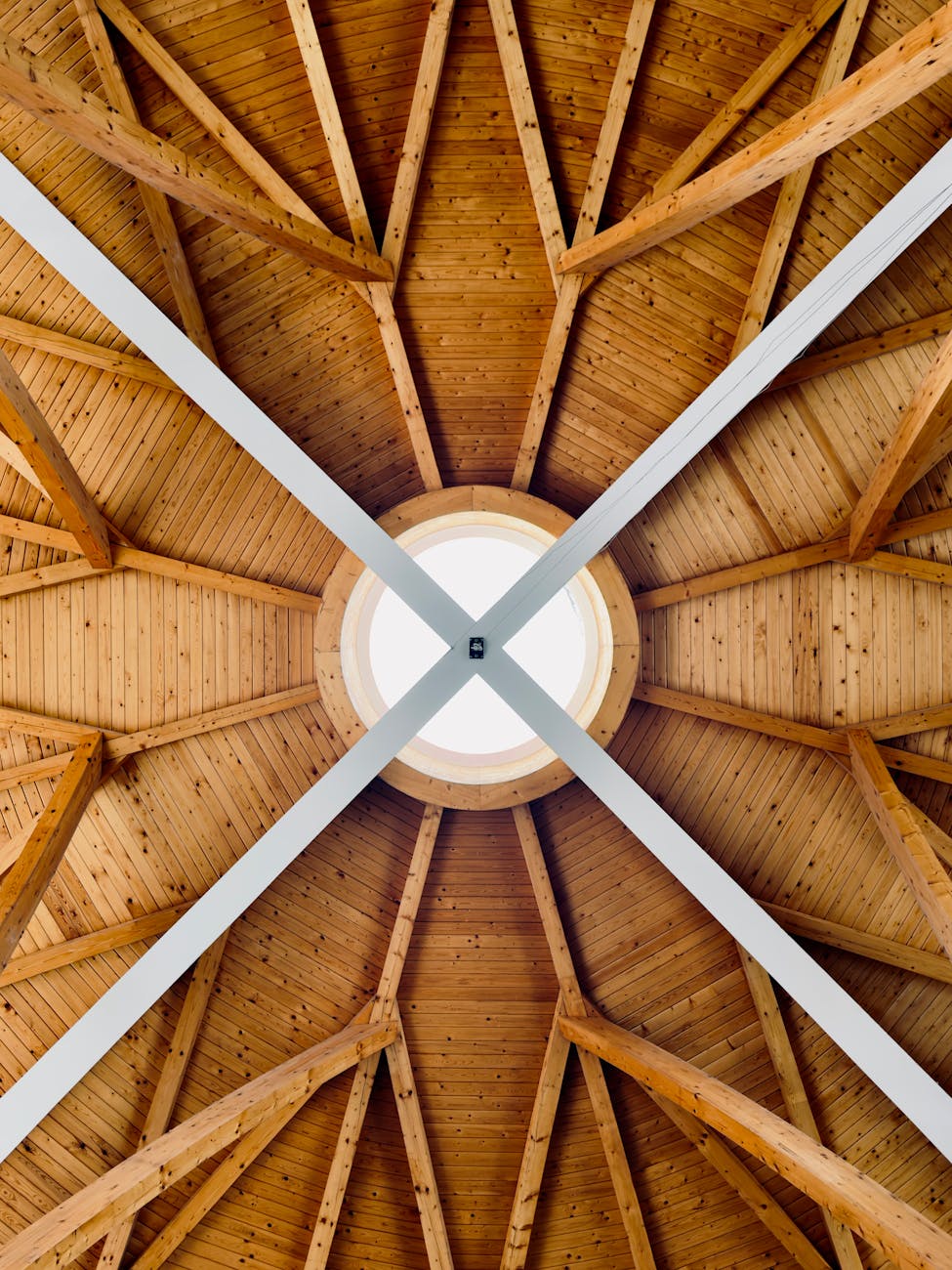
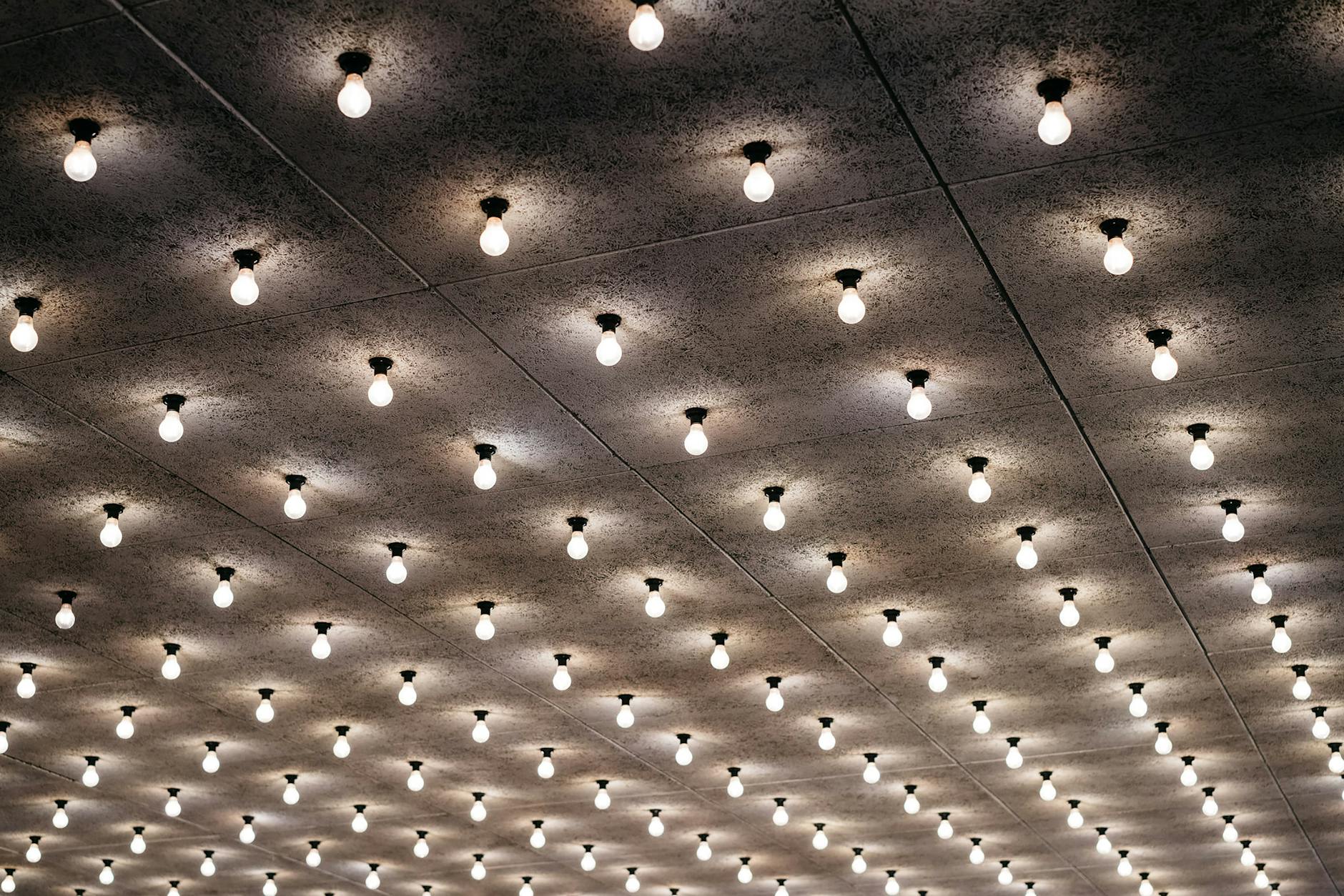
Ceiling elements
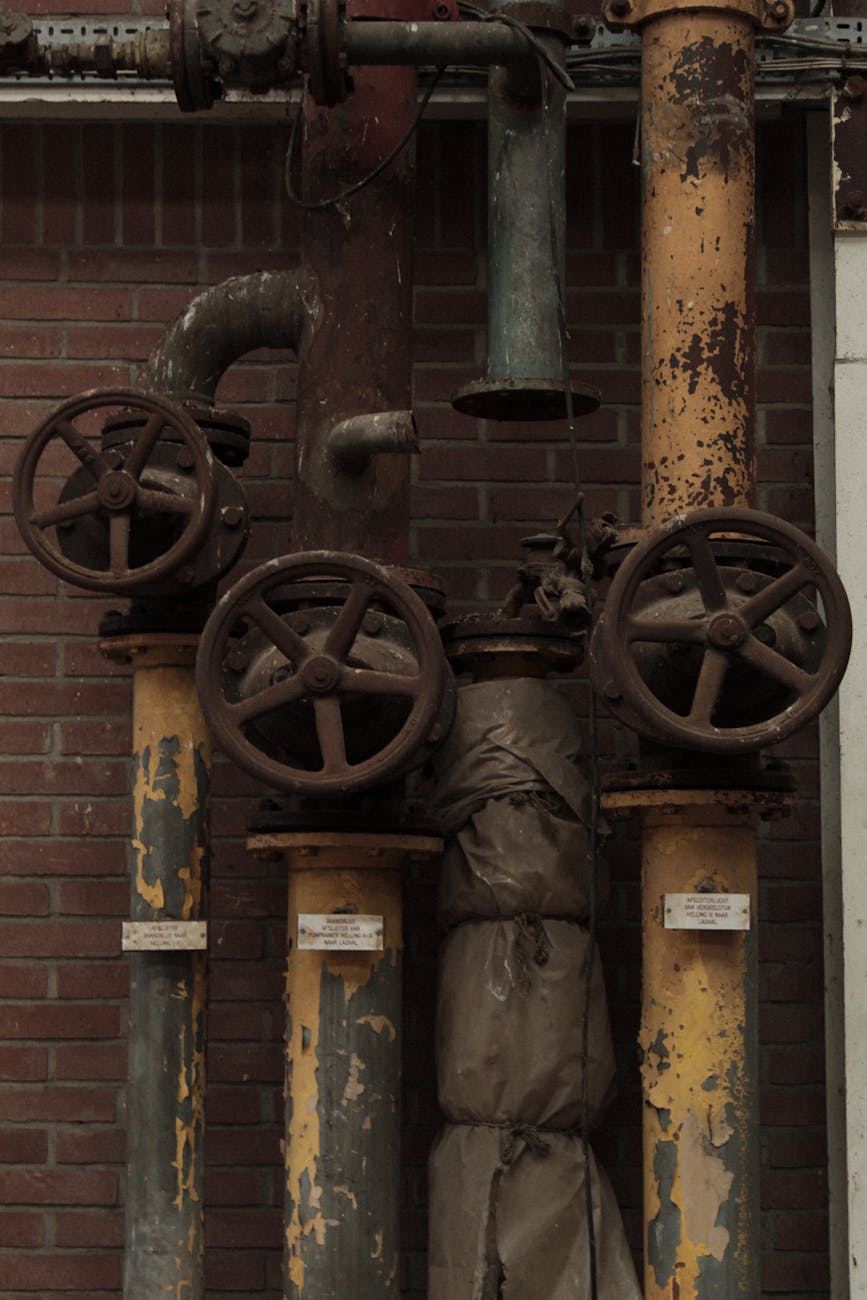
Ceiling elements such as beams, lamps, pipes, cables, or ventilation ducts can function as environmental props when their position, alignment, or arrangement carries information. Because players rarely focus on the ceiling during initial exploration, these elements tend to remain unnoticed until attention is deliberately redirected. When used carefully, they allow clues to be integrated into the room’s architecture rather than added as separate objects.
Examples include ceiling lamps that form a meaningful pattern when viewed from a specific position, exposed pipes whose bends or junctions indicate a sequence or direction, or beams marked with subtle symbols that only align when observed from below. In other cases, the relative height or spacing of ceiling elements can correspond to numbers, letters, or ordering cues used elsewhere in the room. As fixed, non-movable features, ceiling elements reinforce the sense that the environment itself contains information, supporting immersion while avoiding additional mechanisms or technical complexity.
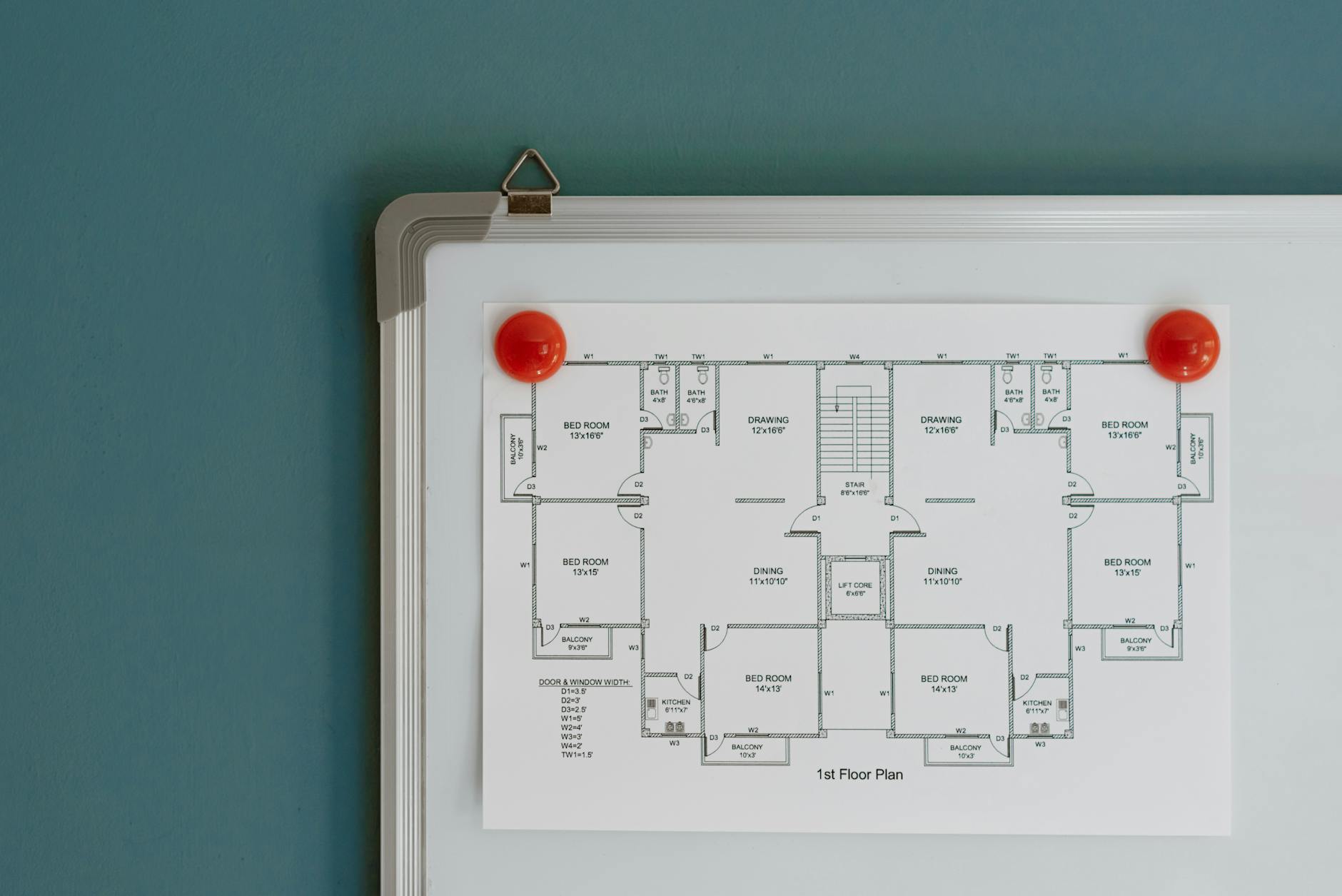
Room layout as a prop
The overall layout of the room can function as an environmental prop when distances, orientation, or the placement of objects carry information. Rather than relying on individual items, the spatial arrangement itself becomes meaningful. Because players naturally move through and inhabit the space, this type of prop is experienced implicitly before it is recognised as a source of clues.
 learning Locks